PRESERVE NOTICE: Ingrid Graham Historic Hellam Nature Preserve is closed to regular visitation as the Conservancy develops a master plan for the preserve. It is open for select education events only. Please visit our Events page to find upcoming educational opportunities.
Acquisition
This nature preserve was donated to the Conservancy in 2025 by the Graham Family, who acquired the property tract by tract and lovingly restored the historic structures. In honor of Ingrid Graham, whose vision led to the creation and cultivation of what is a cultural, historic, and conservation site, the Conservancy named the preserve the Ingrid Graham Historic Hellam Nature Preserve.
Funding assistance to acquire this land has been provided by the Pennsylvania Department of Conservation and Natural Resources Bureau of Recreation and Conservation Keystone Recreation, Park and Conservation Fund.
History
Thousands of years before Europeans arrived in the Hellam area, Native Americans inhabited its hills and valleys. The site of this preserve today was home to the Native Susquehannock people.
Earliest Europeans in the Hellam area were itinerant trappers and traders, but by the early 1700s people east of the Susquehanna River crossed to the western side and began to move into the Kreutz Creek Valley, farming the fertile limestone soils. Most early Europeans were English but were soon outnumbered by German immigrants.
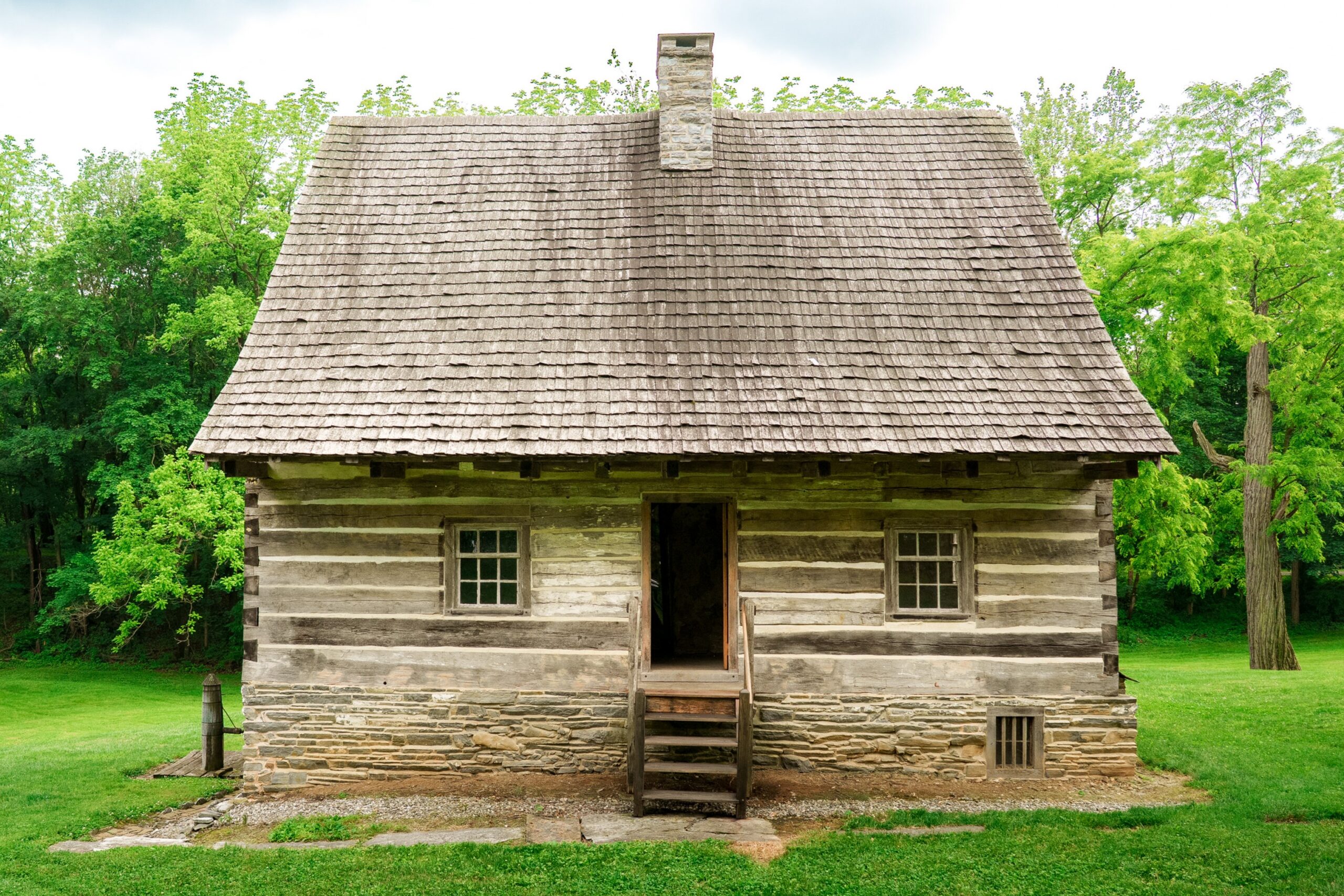
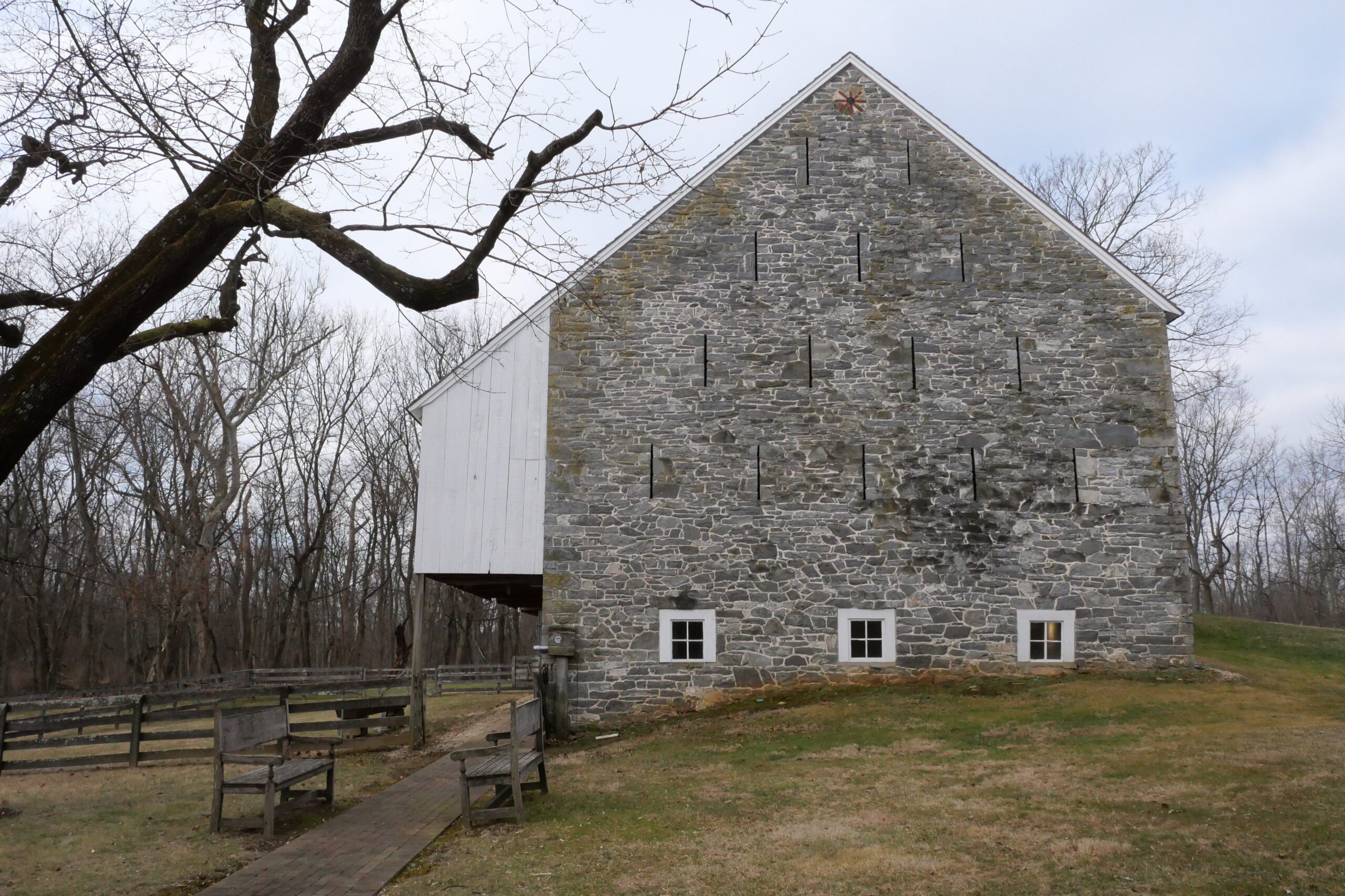
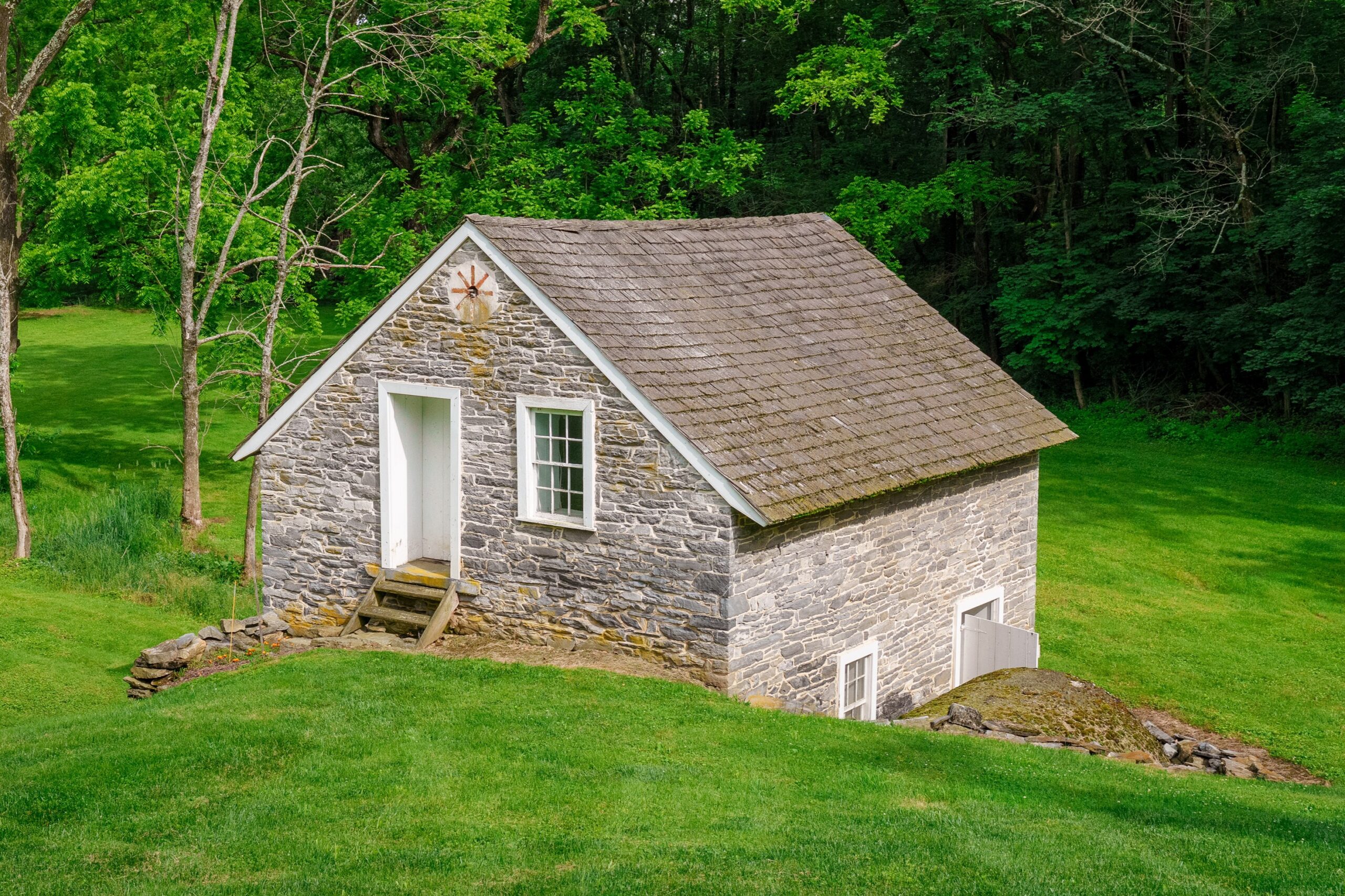
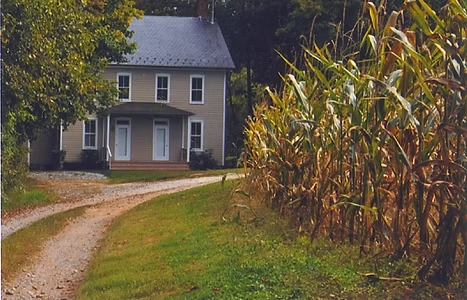
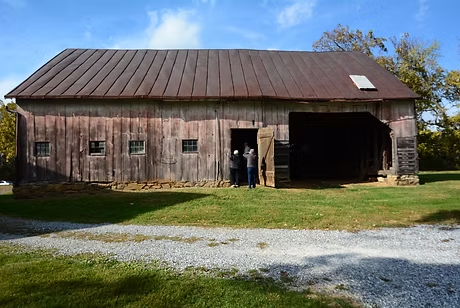
Historic structures on the preserve demonstrate the longstanding relationship between humans and our environment. These structures were thoughtfully cared for and restored under the guidance of the Graham Family. They include:
Ecology
This landscape was created by the meandering flow of Kreutz Creek in its gently dipping valley that funnels water towards the Susquehanna River. The lower woods, which are prone to flooding during high water events, contain a mix of riparian forest and wetland shrubs, grasses, and flowers. This is a prime nesting habitat for great horned owls, barred owls, pileated woodpeckers, and songbirds. These low woodlands contain flood channel swales and vernal pools that fill in late winter and early spring and host a variety of amphibians who gather here for breeding and laying eggs.
The higher and older floodplain above the wet woodlands contains a mix of meadow and old fields habitat where rich valley soils supported centuries of farming. The woodland edge habitat along former pasture and hayfields attracts and provides food and shelter for foxes, groundhogs, white-tailed deer, and a variety of bird species like flycatchers, sparrows, hawks, and owls. The old farm buildings also provide important habitat for snakes, swallows, and bats.
The interface of former agricultural land with creek floodplain creates blended habitat of open land and riparian woodland that supports a wide range of insect and invertebrate life.
Geology
The Kreutz Creek valley is underlain with limestone which was quarried on site during the 1700s for foundation stone to build the farm buildings and for making fertilizer. The shallow pit where the limestone was quarried is rimmed with exposures of rock that contain evidence of ancient marine life from when this region was once a shallow sea. Partially covering the 18th century quarry is a railroad bed that was built using gravel and iron slag during the early 1800s to hold the sleepers and rails, removed when the railroad was taken out of service. Waste piles of cut stone and some brick can be observed along the slope by the railroad, indicating that several other structures that were demolished long ago once stood on this site.
Watershed
The 17-mile-long Kreutz Creek flows through the preserve on its way to discharge waters gathered from its classic Piedmont dendritic pattern drainage basin, which resembles a tree with branches and includes 63 miles of main and side stream drainage. Kreutz Creek flows directly into the Susquehanna River at the south end of Wrightsville.
Hunting Information
No hunting.
Address
562 Hillview Road, York, PA 17406
Information on the preserve’s history is courtesy of Joseph Keller Kindig III and the Graham Foundation.