

In October, Lancaster Conservancy, in partnership with the Pennsylvania Game Commission, implemented the second-ever prescribed burn on Conservancy property at Clark Nature Preserve. Incorporating prescribed fire into our land management toolbox provides a wide range of habitat benefits and mimics ecological disturbances that have occurred in our landscape for centuries.
A prescribed burn is an intentional use of fire to achieve land management objectives, such as reducing invasive species or maintaining grassland ecosystems.
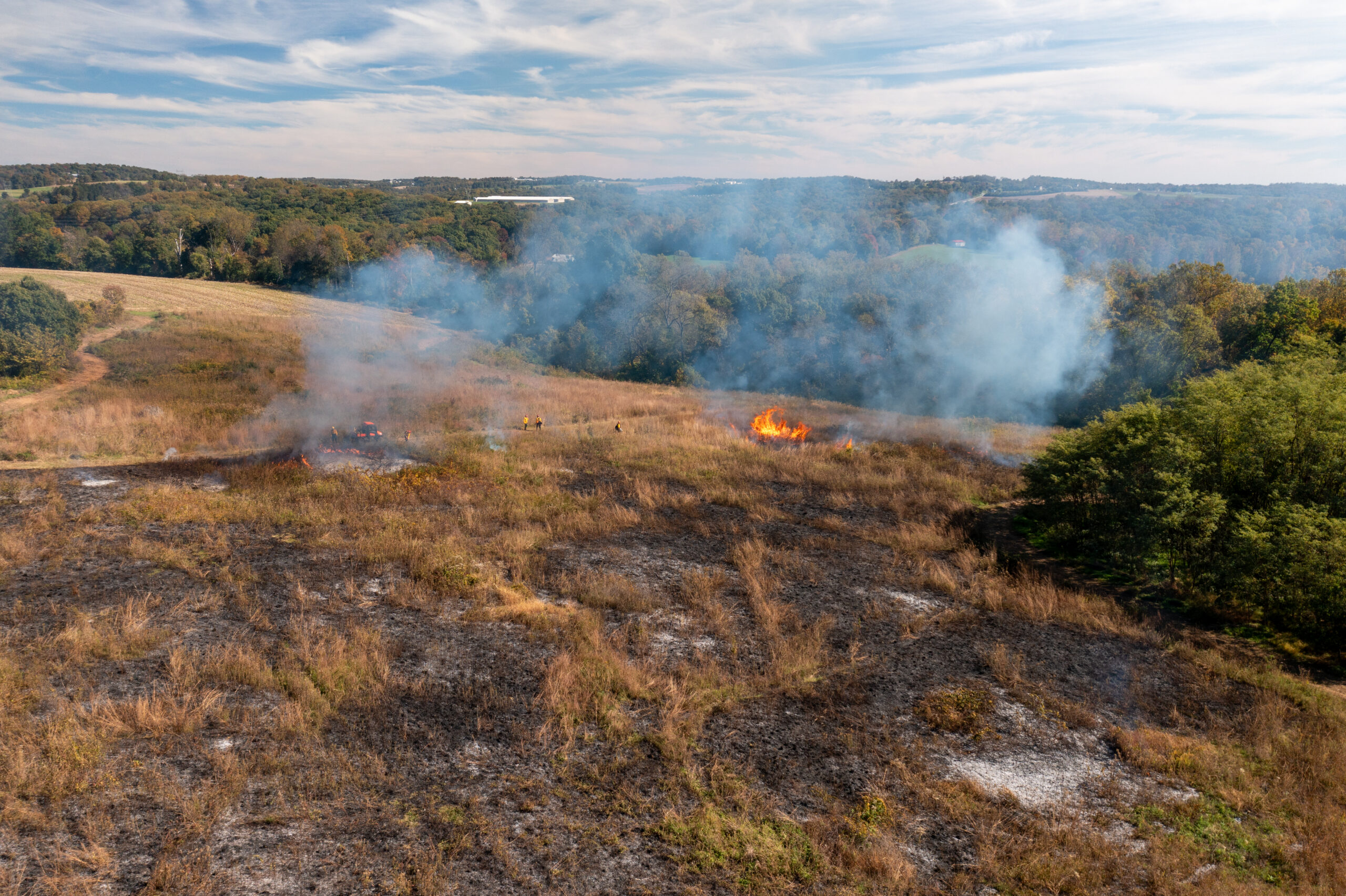 Prescribed burn at Clark Nature Preserve (Photo by Greg Smolin)
Prior to the arrival of Europeans, Native peoples in the Mid-Atlantic routinely used cultural burning to achieve a wide range of objectives including increased berry production, improved hunting grounds, and defense. This consistent ecological disturbance caused by burning maintained patches of early successional ecosystems, like grasslands, which are important habitat for grassland nesting birds, raptors, pollinator insects, and other species.
Development and a lack of ecological disturbance after European colonization have caused these grassland ecosystems to disappear. Bringing fire back into the regional ecology reestablishes the disturbance regime needed to restore these grassland systems, which in turn provide habitat for declining species.
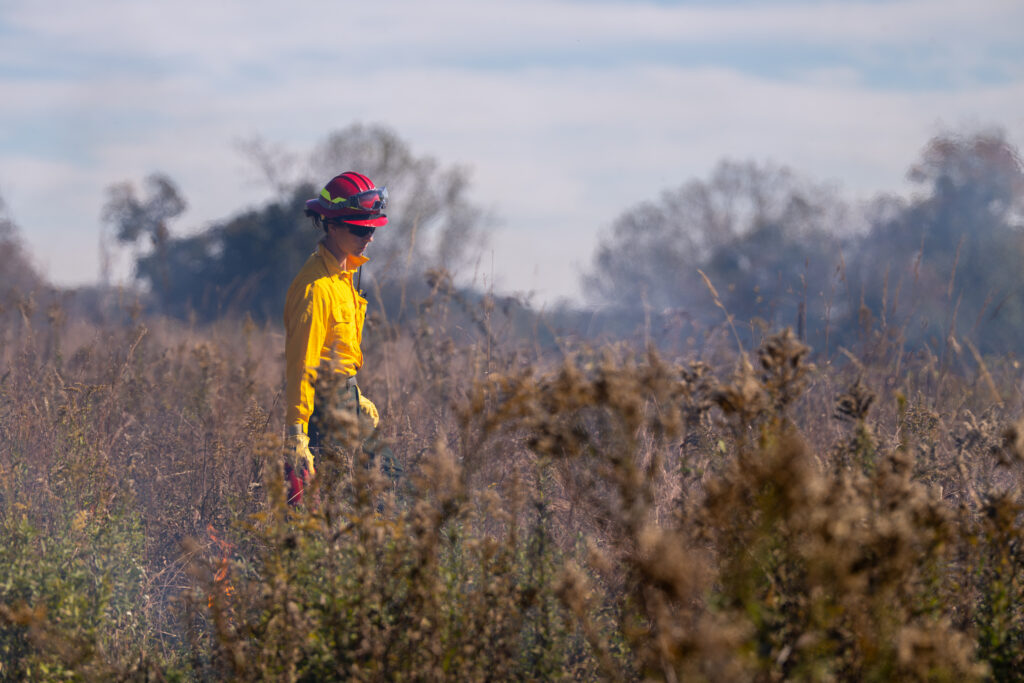
Prescribed burn at Clark Nature Preserve (Photo by Greg Smolin)
A healthy landscape is a patchwork of systems in different stages of succession, from early successional meadows to old growth forests. Prescribed burns can help stop the growth of woody stems that would eventually turn into trees, preventing grassland from turning into woodland. Prescribed burns can also eliminate living invasive plants and invasive species seed banks, they can reduce built-up thatch that inhibits native plant growth, and they can encourage the growth of certain beneficial species such as native warm season grasses.
“Pennsylvania is playing catch up to the rest of the Mid-Atlantic when it comes to facilitating the use of prescribed fire on private lands,” explained Lancaster Conservancy Forester Eric Roper. “State agencies, such as the Pennsylvania Game Commission, have been burning thousands of acres per year on state-owned lands. In taking this step forward, Lancaster Conservancy is not only using the best available tools to manage our lands, but we are positioning ourselves at the forefront of private land management in Pennsylvania.”
Prescribed Burn at Wizard Ranch Nature Preserve
In 2023, the Conservancy implemented our first-ever prescribed burn at Wizard Ranch Nature Preserve. When we acquired Wizard Ranch, it was dominated by invasive species. The 18-acre burn area was extremely unhealthy due to an abundance of invasive plants including privet, bush honeysuckle, multiflora rose, and ailanthus.
“The only way to effectively move forward with restoration of the site was to completely wipe the slate clean and start over,” said Eric.
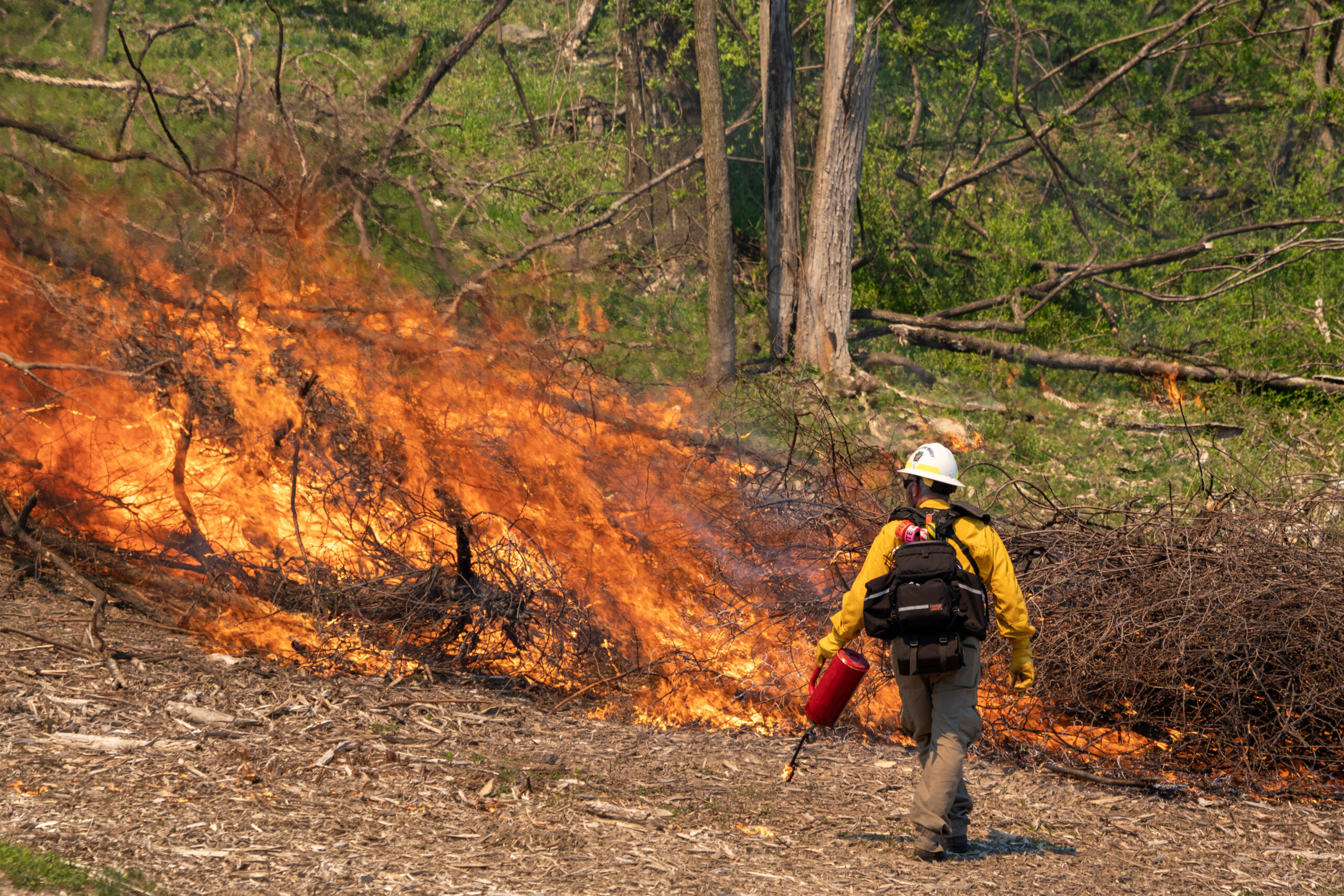 Prescribed burn at Wizard Ranch Nature Preserve (Photo by Greg Smolin)
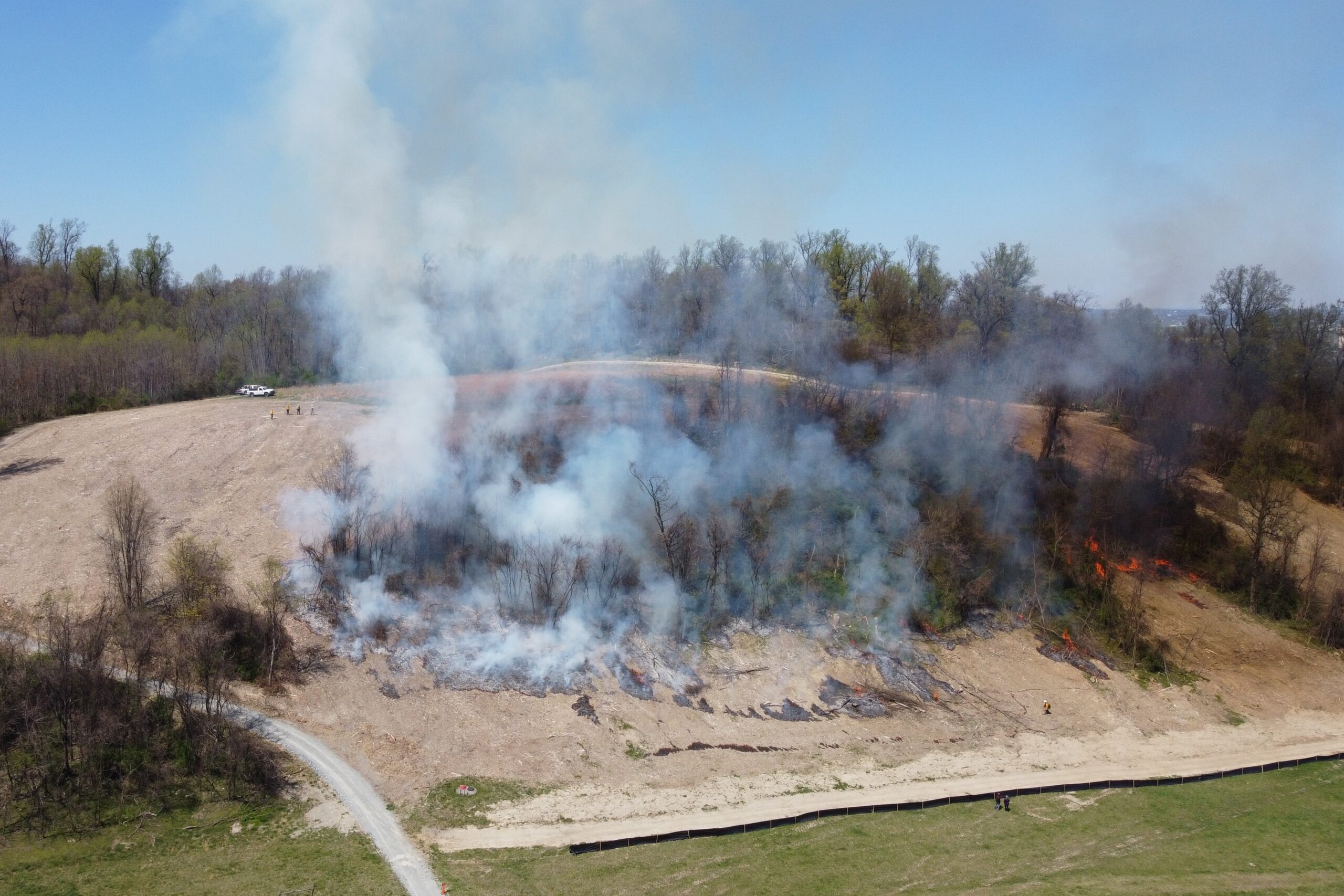 Prescribed burn at Wizard Ranch Nature Preserve (Photo by Andrea Campbell)
The Conservancy used a forestry mower to mow down the invasive plants, creating a layer of woody debris. The main goal of the prescribed burn at Wizard Ranch was removing this woody debris to prepare the site to be replanted with native species. A secondary goal, if the fire got hot enough for long enough, was to eliminate the residual invasive species seed bank.
After the burn, a significant number of black locust seedlings sprouted in parts of the burned area. While these are native and an improvement from previous conditions, the Conservancy’s stewardship team is now working on thinning out the black locus seedling population to prevent a monoculture from forming and prepare the site for future planting of a range of native trees and shrubs, which will create a more diverse, healthy ecosystem.
Prescribed Burn at Clark Nature Preserve
The 2026 prescribed burn at Clark Nature Preserve was conducted in a meadow in the eastern area of the preserve south of House Rock Road. This warm season grass meadow is funded by the Conservation Reserve Program (CRP) and was established in 2005. It has previously been maintained by periodic mowing, which caused an accumulation of dead plant material, or thatch. As thatch builds up, the habitat value of the meadow decreases. Prescribed fire is a crucial tool not only to set back the successional process and ensure meadow health, but also to reduce thatch build-up.
Our goals for the burn at Clark included reducing the living biomass of invasive species including sericea lespedeza (which requires fire for control) and crown vetch, promoting warm season grasses, reducing thatch, and eliminating encroaching woody stems. Although more time will be needed to fully assess the impacts of the burn, we observed a dramatic reduction in thatch and fire effects that signaled we were likely successful in meeting our other objectives.
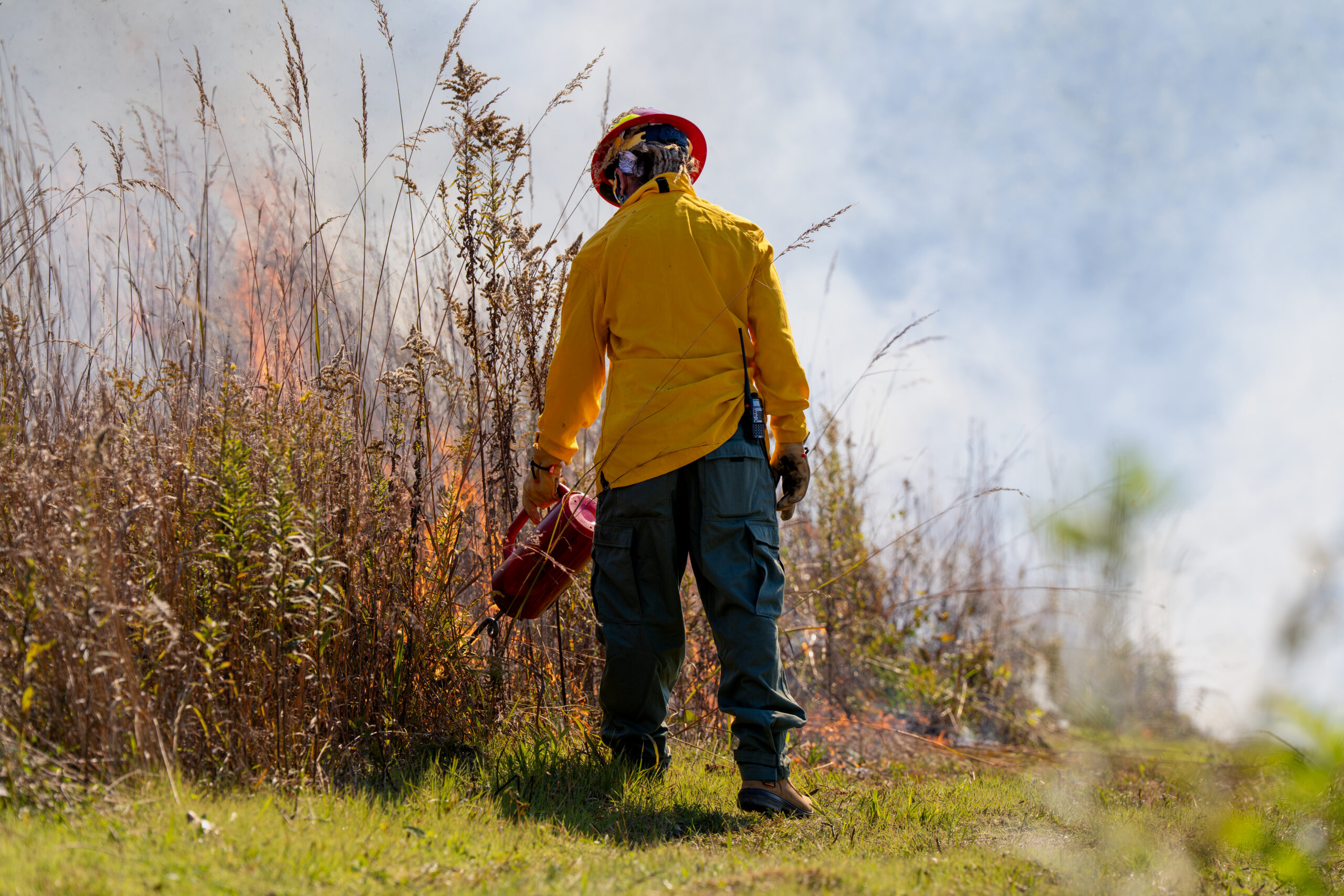 Prescribed burn at Clark Nature Preserve (Photo by Greg Smolin)
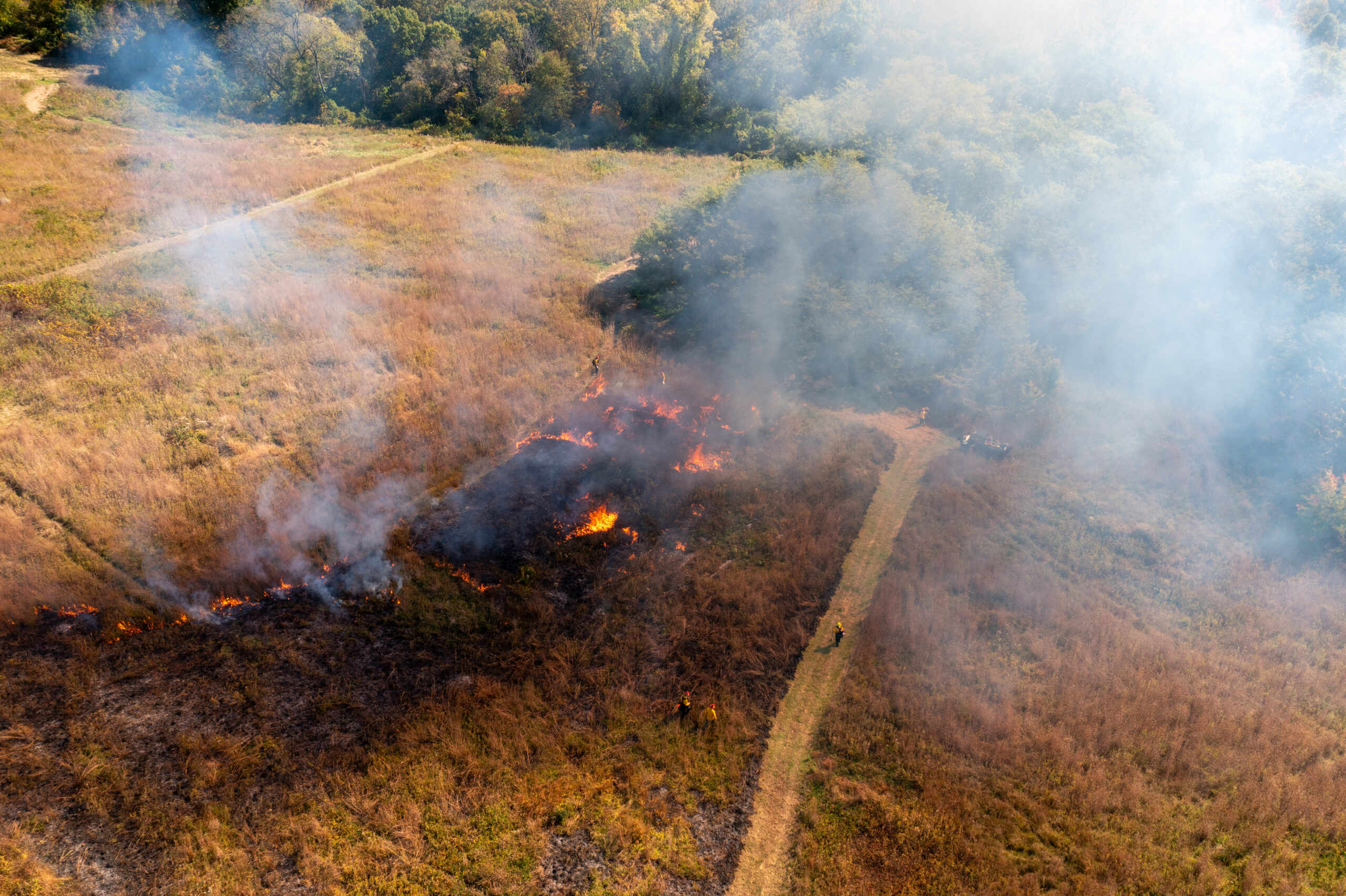 Prescribed burn at Clark Nature Preserve (Photo by Greg Smolin)
Prescribed Burn Safety
Prescribed burns involve thorough planning, detailed analysis of conditions, and thoughtful site preparation to ensure the goals of the burn can be met with as little risk as possible to surrounding property.
The Pennsylvania Prescribed Burning Practices Act requires burn implementers to develop an approved burn plan and conduct the burn with qualified personnel.
While drafting a burn plan, the Conservancy’s team models fire characteristics – like flame length, rate of spread, and smoke dispersal – under different weather conditions, then considers how the fire under various weather conditions will interact with fuel on the ground. The weather conditions must be just right for a burn to proceed. It’s impossible to guarantee that a fire will behave exactly as expected once it’s lit, but with sufficient planning and rigorous training, we can prepare ourselves to mitigate unexpected outcomes.
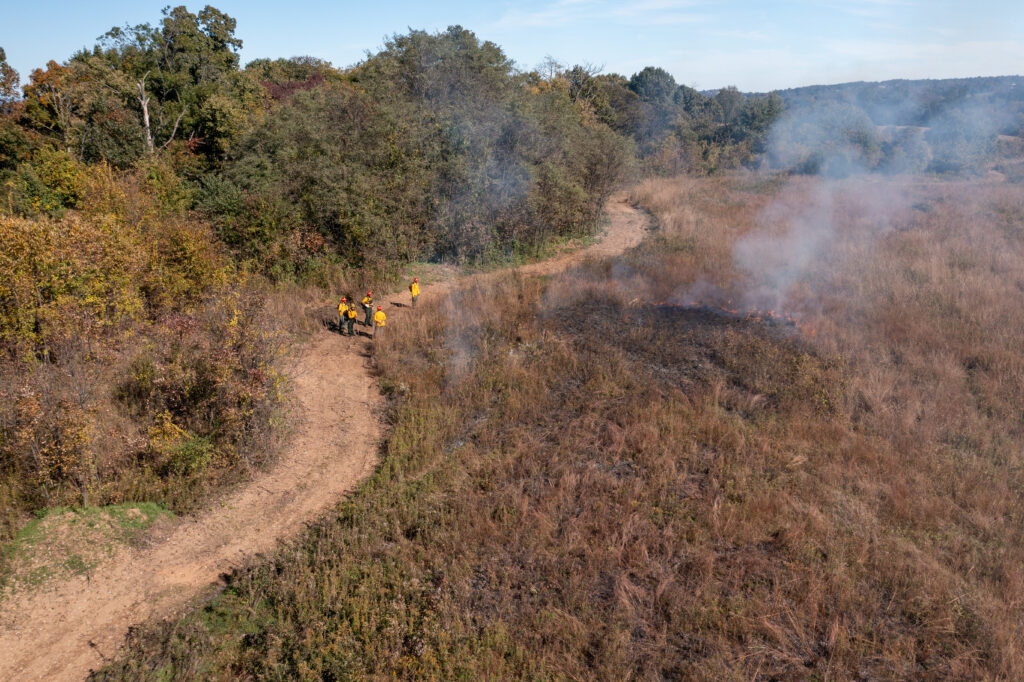
Firelines, as seen here at Clark Nature Preserve, are cleared around the burn area to prevent flames from escaping the burn unit (Photo by Greg Smolin)
Pairing the condition models with advice from experienced burn managers helps us determine what kinds of precautionary measures should be implemented at the burn site. Firelines around the burn site are cleared down to the soil to remove the fire’s fuel source and prevent it from escaping the targeted area. Many gallons of water are brought onsite during the burn and loaded onto vehicles that can move the water around if needed, and members of the burn team watch carefully for any rogue flames.
“Prescribed burns are a lot of coordination, build up, then hurry up and wait, and often include delays and cancellations. Safety of staff, preserve visitors, and neighboring private property is paramount. A successful prescribed burn meets its management objectives in the most uneventful way,” shared Lancaster Conservancy Senior Vice President of Stewardship Brandon Tennis.
During burn planning and preparation, we also take extra care to minimize any risk to wildlife. One way we do this is by breaking larger project areas into smaller burn units, so wildlife can wait out the fire in an area that isn’t being burned. We observed animals including turtles, rabbits, squirrels, and even grasshoppers leaving the burn areas at Clark and Wizard Ranch during the prescribed burns there. We also consider seasonal timing. For example, at Clark Nature Preserve, we planned the burn window – the timeframe in which a burn can be conducted if conditions are right – to avoid interfering with the nesting season for grassland birds. After they are completed, prescribed burns leave behind healthier ecosystems for the benefit of wildlife.
The Lancaster Conservancy is grateful to the partners who have helped make these and future prescribed burns possible: the Pennsylvania Prescribed Fire Council and Department of Conservation and Natural Resources Bureau of Forestry for their work in setting up the Certified Prescribed Burn Manager Program; the Pennsylvania Game Commission for assisting with the Clark burn, hosting training, and being generous with their time and experience; and The Nature Conservancy for hosting training, helping connect Lancaster Conservancy with resources, and performing the technical review for the Clark burn plan.
→ Check out this article from Penn State Extension to learn more about prescribed fire in Pennsylvania!